

 Get Lake Region Fiber!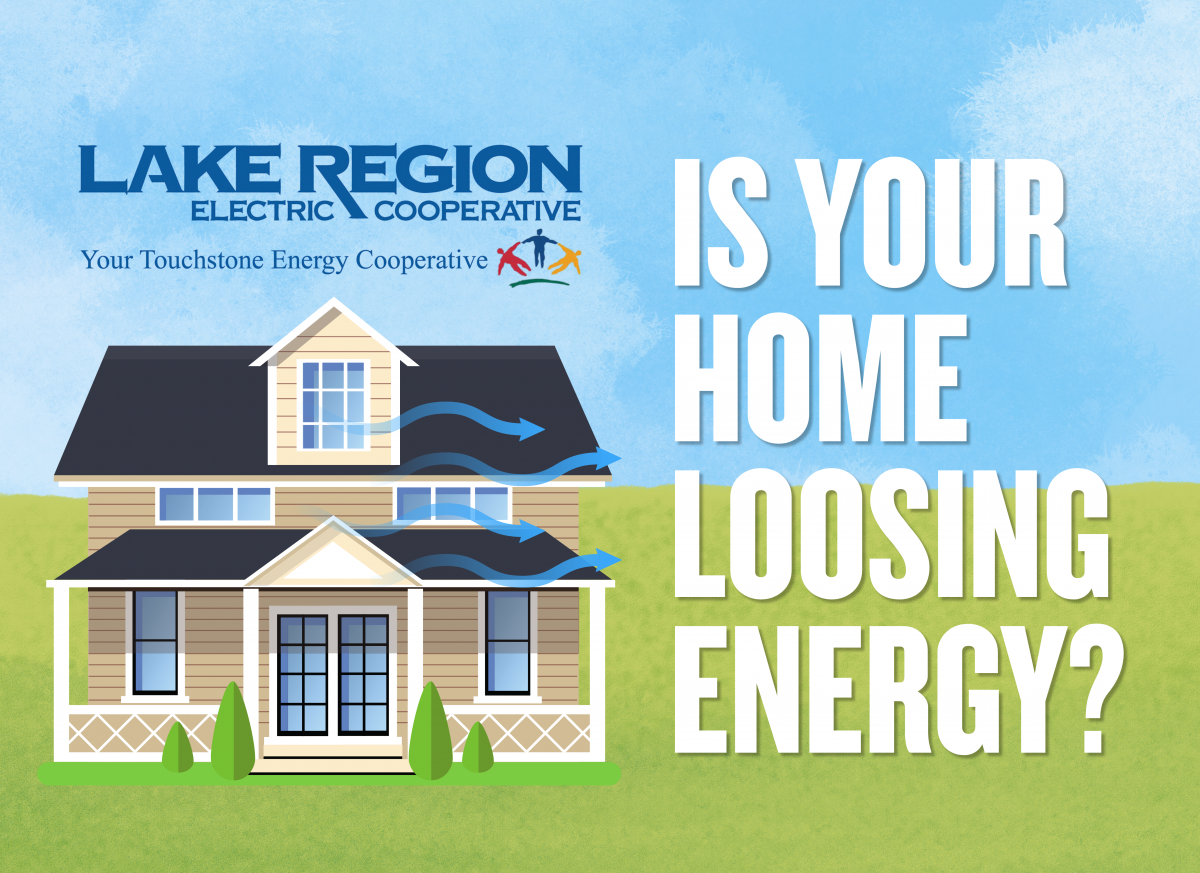
Wednesday, July 1st 2026
Is Your Home Wasting Energy? Here's How to Spot the Signs
If your energy bills seem higher than usual, your home may be trying to tell you something. When conditioned air escapes through leaks, poor insulation, or other problem areas, your heating and cooling system has to work much harder to keep your home comfortable. That extra work means higher energy use, increased wear on your HVAC system, and higher monthly electric bills. Fortunately, there are several warning signs that can help you identify where your home may be losing energy.
Signs Your Home Is Losing Energy
Your HVAC System Runs Constantly
Your heating and cooling system should cycle on and off throughout the day. If it seems to run nonstop, it may be struggling to maintain your desired temperature. This can be caused by air leaks, inadequate insulation, or even an issue with the HVAC system itself.
Some Rooms Are Too Hot or Too Cold
Does one room always feel stuffy while another feels chilly? Uneven temperatures often indicate poor airflow, leaky ductwork, or blocked air vents. Not only does this make your home less comfortable, but it also wastes energy as your HVAC system works harder to compensate.
You Notice Condensation
Moisture forming on windows or other surfaces inside your home may be a sign that warm, humid air is coming into contact with cooler surfaces. Poor insulation or air leaks often contribute to condensation problems and can reduce your home's energy efficiency.
Mold or Mildew Appears
Mold thrives in damp environments. Air leaks, poor ventilation, and inadequate insulation can create the perfect conditions for mold growth while also allowing valuable heated or cooled air to escape.
How to Reduce Energy Loss
The good news is that many common energy problems can be improved with a few simple upgrades.
Seal Doors and Windows
Inspect the areas around your doors and windows for gaps or cracks. Use weatherstripping or caulk to seal leaks and keep conditioned air where it belongs.
Check Your Ductwork
If you have accessible ductwork, inspect it for leaks and seal any openings. Leaky ducts can waste a significant amount of heated or cooled air before it ever reaches your living spaces.
Keep Air Moving
Make sure supply and return vents are open and free from obstructions like furniture, rugs, or curtains. Proper airflow helps your HVAC system operate more efficiently.
Air Seal Your Attic and Basement
Inspect areas where walls meet ceilings, along rim joists, and around plumbing or electrical penetrations. Small gaps can be sealed with caulk or expanding foam, while larger openings may require additional insulation.
Make Sure Your Home Is Properly Insulated
Adequate insulation is one of the best ways to improve comfort and lower energy costs. A qualified insulation contractor can help determine whether your home has the recommended insulation levels for your climate.
Schedule a Home Energy Audit
If you're unsure where your home is losing energy, consider scheduling a professional home energy audit. An energy expert can identify problem areas and provide personalized recommendations to improve efficiency, increase comfort, and reduce your monthly energy costs.
Keep Your Energy Dollars at Home
Small air leaks and insulation problems can add up to big energy losses over time. By paying attention to the warning signs and making a few simple improvements, you can increase your home's comfort, extend the life of your HVAC system, and save money on your electric bill.
A more energy-efficient home isn't just good for your wallet. It's an investment in your home's long-term comfort and performance.